AI Voice Cloning Scams Are Coming for Timeshare Owners Too — Here's What to Watch For
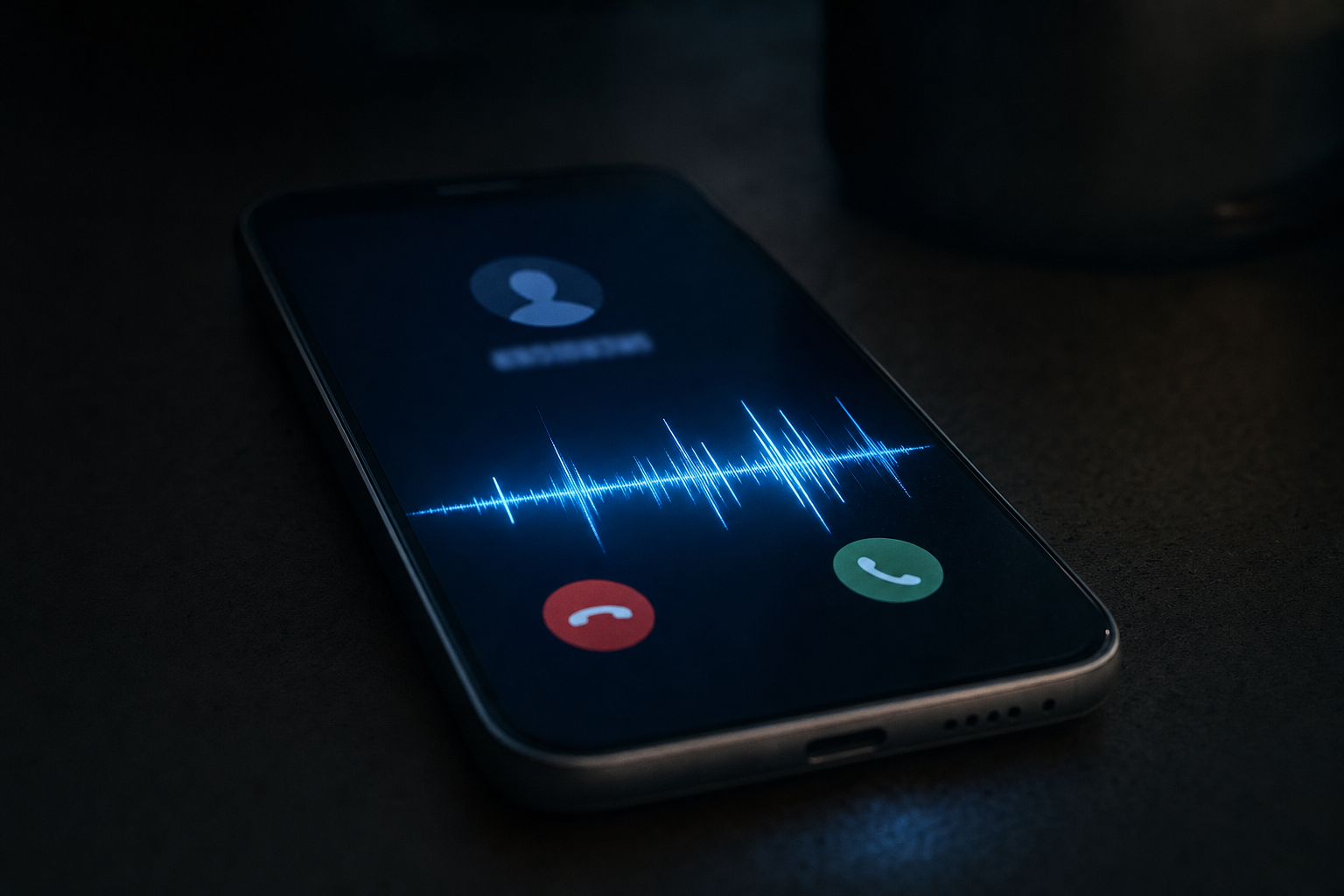
The "can you hear me?" phone scam already showed how a simple recorded voice sample could be weaponized against you. In 2026, that threat has escalated dramatically — and timeshare owners, who are already frequent targets of phone-based fraud, are squarely in the crosshairs of a much more convincing version.
What's Changed Since the Original "Can You Hear Me?" Scam?
That older scam relied on tricking you into saying "yes" so scammers could splice your own recorded voice into fraudulent authorizations. The newer threat doesn't need your voice at all — it clones someone else's, and uses it against you. In 2024, the Federal Communications Commission (FCC) formally ruled that AI-generated voices used in robocalls are illegal under the Telephone Consumer Protection Act, absent explicit consumer consent — a direct regulatory response to how fast this technology spread. Voice cloning tools now need only a few seconds of audio, often pulled from a voicemail greeting or public social media video, to convincingly recreate someone's voice.
How Does This Apply Specifically to Timeshare Owners?
Timeshare owners already sit inside a well-documented fraud target list — we've covered how cartel-linked networks target U.S. owners of Mexican timeshare properties and how advance-fee "compensation" scams target former owners specifically. Voice cloning adds a dangerous new layer to both patterns. A scammer could now call an owner using a cloned voice claiming to represent a resort's collections department, a "verified" timeshare exit company, or even a family member urgently needing money wired to resolve a fabricated timeshare-related emergency. The emotional realism of a familiar-sounding voice — even one impersonating a company representative rather than a relative — measurably lowers a target's normal skepticism.
What Does a Real Example of This Tactic Look Like?
A documented case reported through ACA International in early 2026 illustrates how effective this can be even against a skeptical target. A California father received a call that appeared to come from his wife's number, with a voice he described as "unmistakable," urgently requesting a payment for a fabricated family emergency. He nearly complied — until he asked the caller a simple question tied to a pre-established family passphrase. The cloned voice couldn't answer, and the scam collapsed immediately. That same defense — a verification phrase or callback protocol — applies directly to any unexpected call involving your timeshare, whether it claims to be from a resort, a collections agency, or an exit company.
What Should You Do If You Get an Unexpected Call About Your Timeshare?
A few concrete habits meaningfully reduce your risk:
- Never act on payment requests from an unexpected call, regardless of how familiar the voice sounds. Hang up and call the company or person back using a number you look up independently, not one provided by the caller.
- Establish a verification method for any recurring financial relationship, including your timeshare resort or exit company — a specific question only they'd know the answer to, similar to the family passphrase approach.
- Be especially cautious of any call demanding payment via wire transfer, gift cards, or cryptocurrency — these remain the FTC's most consistently flagged fraud payment methods, regardless of how the call is initiated.
- Treat urgency itself as a red flag. Legitimate resort or collections communication doesn't typically require an immediate, same-call financial decision.
How Does This Relate to Vetting a Legitimate Timeshare Exit Company?
This threat makes the question of is timeshare exit legit even more important to verify independently. A cloned voice claiming to represent a trusted exit company — or impersonating someone you've already spoken with — could attempt to redirect a payment or request sensitive information mid-process. Always verify communication through a company's official, independently looked-up phone number rather than trusting caller ID or a familiar-sounding voice alone, especially once real money or personal information is involved.
What If You've Already Been Targeted?
If you receive a suspicious call, report it to the FTC at ReportFraud.ftc.gov and contact your financial institution immediately if any payment information was shared. Documenting the call — time, number, and what was said — helps both your own bank's fraud investigation and broader regulatory enforcement efforts against these networks.
Frequently Asked Questions
How much audio does a scammer need to clone someone's voice convincingly?
Modern voice cloning tools can produce a convincing replica from just a few seconds of audio, often pulled from something as simple as a voicemail greeting or a short social media clip.
Is it illegal for scammers to use AI-cloned voices in robocalls?
Yes. The FCC ruled in 2024 that AI-generated voices used in robocalls are illegal without explicit prior consumer consent, giving state Attorneys General authority to pursue the networks facilitating these calls.
How can I tell if a call claiming to be from my timeshare resort or exit company is legitimate?
Hang up and call back using an independently verified phone number rather than one provided during the call, and consider establishing a verification phrase for any company you regularly do business with regarding your timeshare.
What should I do if I already provided payment information to a suspicious caller?
Contact your bank or financial institution immediately to attempt to freeze or reverse the transaction, then report the incident to the FTC and file a report with your local law enforcement agency.
Worried About Fraud, or Ready for Real Timeshare Exit Help?
If you're unsure whether a call about your timeshare is legitimate, or you're ready to work with a verified, transparent exit process instead, we're here to help.
Call AxeMyTimeshare at (949) 731-6607 for a free consultation, or visit axemytimeshare.com to see what a structured exit could look like for your situation.