Cancelling a Diamond Resorts Timeshare: What Diamond's Own Transitions Program Requires, and What to Do If You Don't Qualify
Diamond Resorts has belonged to Hilton Grand Vacations since 2021, and it runs its own relinquishment program, Transitions, which is where Diamond itself tells owners to start. The program has a short list of conditions, and several of them quietly disqualify people who didn't know they mattered. Three questions decide which road you're on.
First question: when did you sign?
If it was recent, the only route that gets your money back is cancelling inside your state's window. Your contract's cancellation notice names the number of days. Florida gives you 10 calendar days under Chapter 721 of the Florida Statutes, which we cover in our Orlando exit guide. California gives you 7, covered in our Lake Tahoe guide. Exit-industry summaries put Nevada at 5, so check the notice in your own paperwork if you bought in Las Vegas.
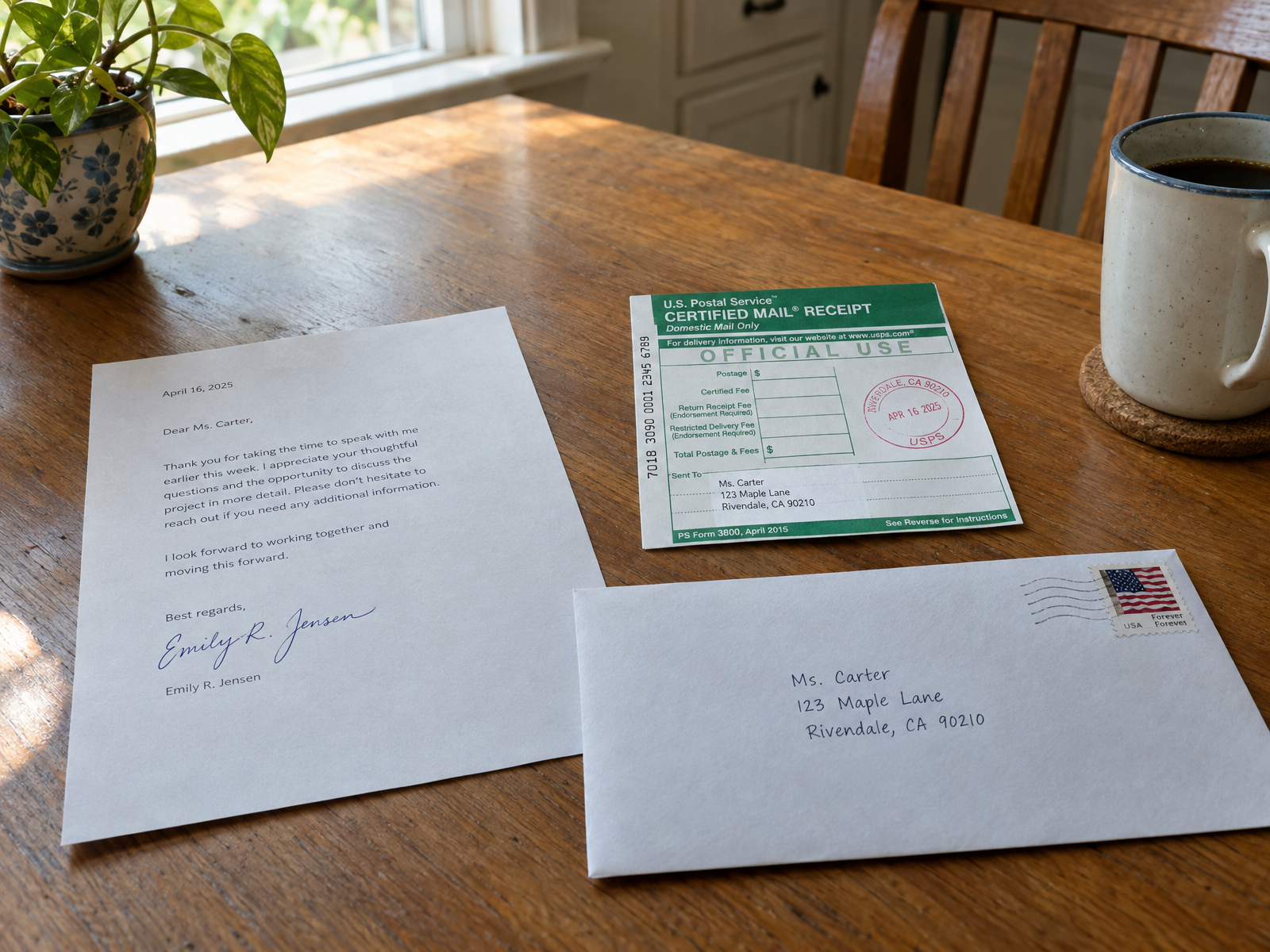
Put it in writing, send it certified, and keep the receipt. Diamond settled a 2016 Arizona Attorney General action for $800,000 without admitting wrongdoing, and one of the allegations was that some buyers' cancellation requests weren't honored. A request you can prove you sent is the best protection against that.
Second question: where did you buy it, and is it paid off?
Diamond's own Transitions FAQ lists the conditions. To apply, you need to meet all of these:
- A qualifying timeshare. It has to sit in one of the Diamond collections or managed properties the program covers.
- A direct purchase. You bought from Diamond, or from a company Diamond later acquired.
- Clear title. No loan balance and no lien.
- Current accounts. Maintenance fees, Club dues, and any other fees are paid up.
- No reservations. You have to cancel or use every future booking before applying.
- No broker. The timeshare can't be listed with a resale agent.
Each of those cuts out a group of owners. If you bought your points on the resale market, you're outside the program. If you're still financing, you're outside it. If you've fallen behind on fees, you have to catch up first, which is one more reason skipping payments backfires (we explain the damage in what happens when you stop paying). To check your status, log in to your Member Area at DiamondResorts.com and open the Transitions section, or call the Transitions team at 1.855.342.3689, the number Diamond's FAQ gives.
What the program does and doesn't promise
Transitions is voluntary, and Diamond says it reviews each application case by case. You won't be paid for your points. It's the same basic shape as Westgate's Legacy Program: the developer takes the ownership back for owners who qualify.
Be cautious about the details. The FAQ I read is several years old, and owners' accounts differ on whether and when applications are being accepted. Owner forums mention a per-contract fee that the FAQ excerpt doesn't state. Before you plan around it, ask Diamond for the program's current status, any fee, and the timeline, and ask for the answers in writing.
Two traps that catch Diamond owners
Hiring a firm before checking eligibility. Diamond's FAQ warns that working with an exit or resale company can hurt your ability to participate. If you might qualify, find out first, before you sign with anyone, including us.
Converting to HGV Max. After the merger, owners get upgrade offers into HGV Max. Third-party exit guides report that converting can end access to Transitions. Diamond doesn't say so in the FAQ I read, so ask in writing before you convert anything. We cover how these pitches work in our timeshare upgrade breakdown, which also explains what you hold if you're unsure whether it's points or a deeded week.
What Diamond says about exit companies, and what we'd add
Diamond says it doesn't work with third-party exit companies and warns owners about upfront fees. In a 2023 release, Hilton Grand Vacations announced that a federal court had found two exit companies' advertising false under the Lanham Act. It also alleged that owners paid fees sometimes above $100,000 and were told to stop paying so Diamond would foreclose. That's Diamond's account of the case, but the underlying warning matches what we see: no honest exit tells you to default. For the wider fraud picture, read what the FBI says about cartel-linked exit scams.
If Transitions says no
A no usually has one of four causes: you bought on the resale market, there's a loan, you're behind on fees, or Diamond denied the application on its merits. Your options after that:
- Negotiate directly with Diamond. It's always possible, though Diamond will want reservations cancelled and the account current.
- Pay down the loan and reapply, if the math works. Compare the payoff cost with what the remaining fees would total. Our maintenance fee breakdown shows how those fees compound over 25 years.
- Review the original sale. If promises made at the presentation don't match your contract, that's the material for a complaint or a legal review. Write down who said what and when.
- A structured exit, which deals with the contract directly and doesn't depend on Diamond's program accepting you. Here's how that process works.
Pull these together before any call
- The purchase paperwork showing the seller's name
- Your loan statement, if you have one
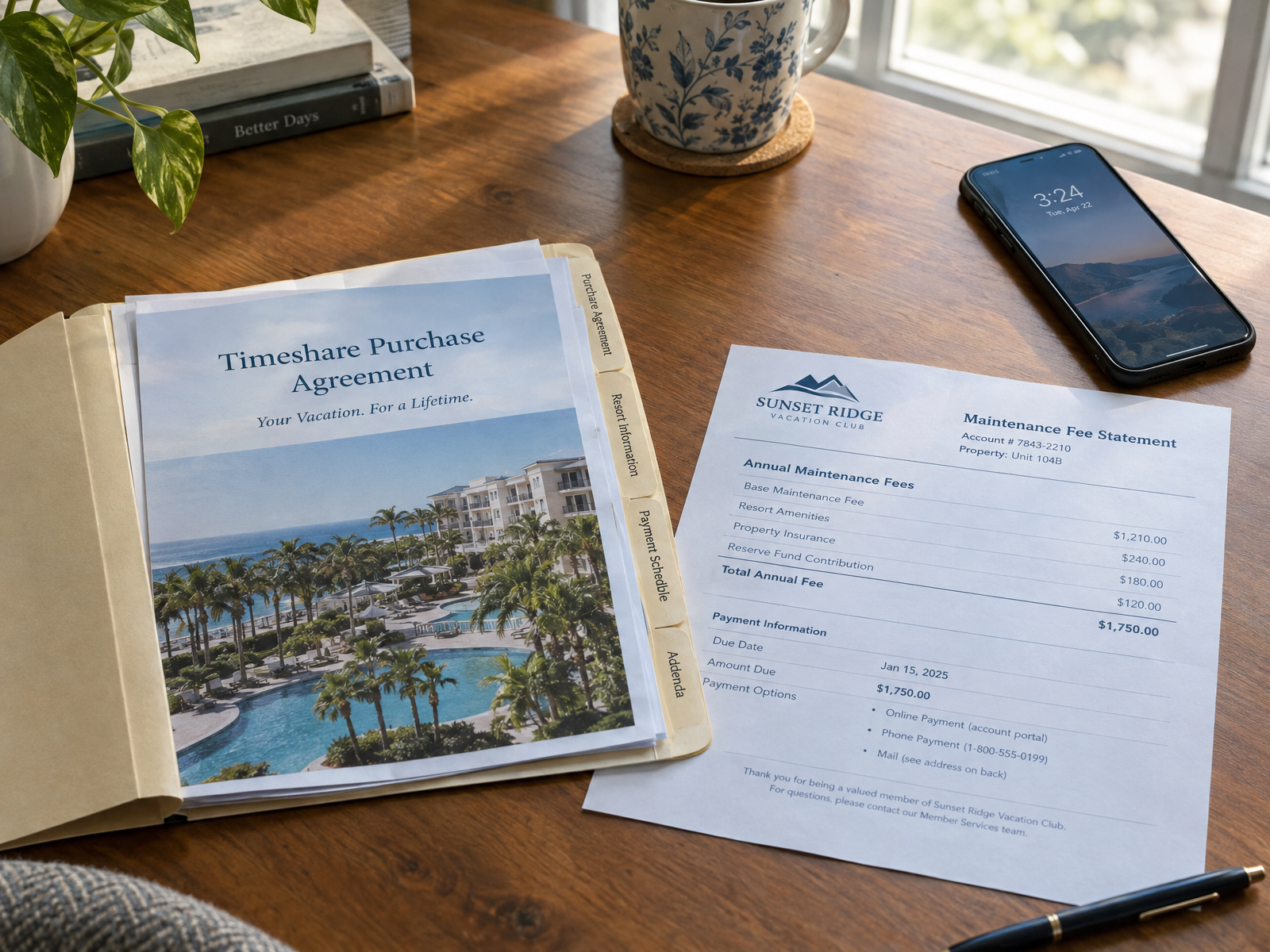
- Your latest maintenance fee statement
- A list of any future reservations
- Any letters from exit or resale firms
Not sure you qualify, or already told no?
Bring those documents and we'll tell you which road you're on, including whether Transitions is worth trying first.
Call AxeMyTimeshare at (949) 731-6607 or book your free consultation.
Frequently Asked Questions
Can I give back only some of my points?
Diamond describes Transitions as a way to relinquish all or part of a vacation ownership. If you hold more than you use, a partial relinquishment can lower your annual fees while you keep what you actually book. Ask whether your ownership can be split.
What if Transitions is closed or paused when I apply?
Ask Diamond to confirm the status in writing, and keep every fee current while you wait. A pause isn't a reason to stop paying, and it isn't a reason to hire the first firm that says it can get around it.
How do I know whether I bought from Diamond or on the resale market?
Look at the seller named in your purchase paperwork. If it names Diamond, or a company Diamond later acquired, you bought direct. If it names a previous owner or a resale company, you're on the resale side, and Transitions won't apply.