Capital Vacations' Graceful Exit Program: What's Confirmed, What Owners Report, and What to Get in Writing

Owners of Capital Vacations timeshares keep hearing about something called the Graceful Exit, and the first question is whether it exists at all. The company has a page for it, but the page I could open gives almost no terms. Nearly everything else people say about it comes from other owners. Here's what's confirmed, what owners report, and how to approach it without paying for a promise.
What's confirmed
Capital Vacations, LLC has a page titled Exploring Ownership Exit Options. The company's BBB profile lists it in Myrtle Beach, South Carolina. When I loaded the page, it showed no eligibility rules, fee schedule, or timeline, and an owner on a timeshare forum wrote that it "now just directs you to contact" the company. That means any specific term you've seen online, including everything below, is an owner's report, not Capital's published policy.
What owners report
These accounts come from public posts on the TUG forum, mostly from 2023 and 2024:
- It has worked for some. One couple wrote that they received the recorded deed removing them as owners and notice that their Capital account was closed. They had no mortgage and their maintenance fees were current, and they paid a fee to the resort and a processing fee to Capital.
- Costs vary by owner. One owner was told to pay a one-time $480 processing fee to Capital plus a relinquishment fee of $1,530.53 to the resort's owners' association. Another owner described a letter asking for $480 plus $2,370 payable to the resort.
- Others describe a different formula. A third owner said four Capital representatives told them the price was two years of annual fees plus $480. That owner also pointed out that their contract doesn't mention a graceful exit, and concluded the program may be a marketing line.
- Responsiveness is a complaint. One poster said Capital became unresponsive partway through, and another described years of unreturned voicemails before a letter finally arrived.
Two things follow from those reports. The program probably exists in some form, and its price probably depends on the resort and the ownership. Neither report says Capital pays owners anything for returning a week or points, so plan to pay, not to be paid.
The break-even math
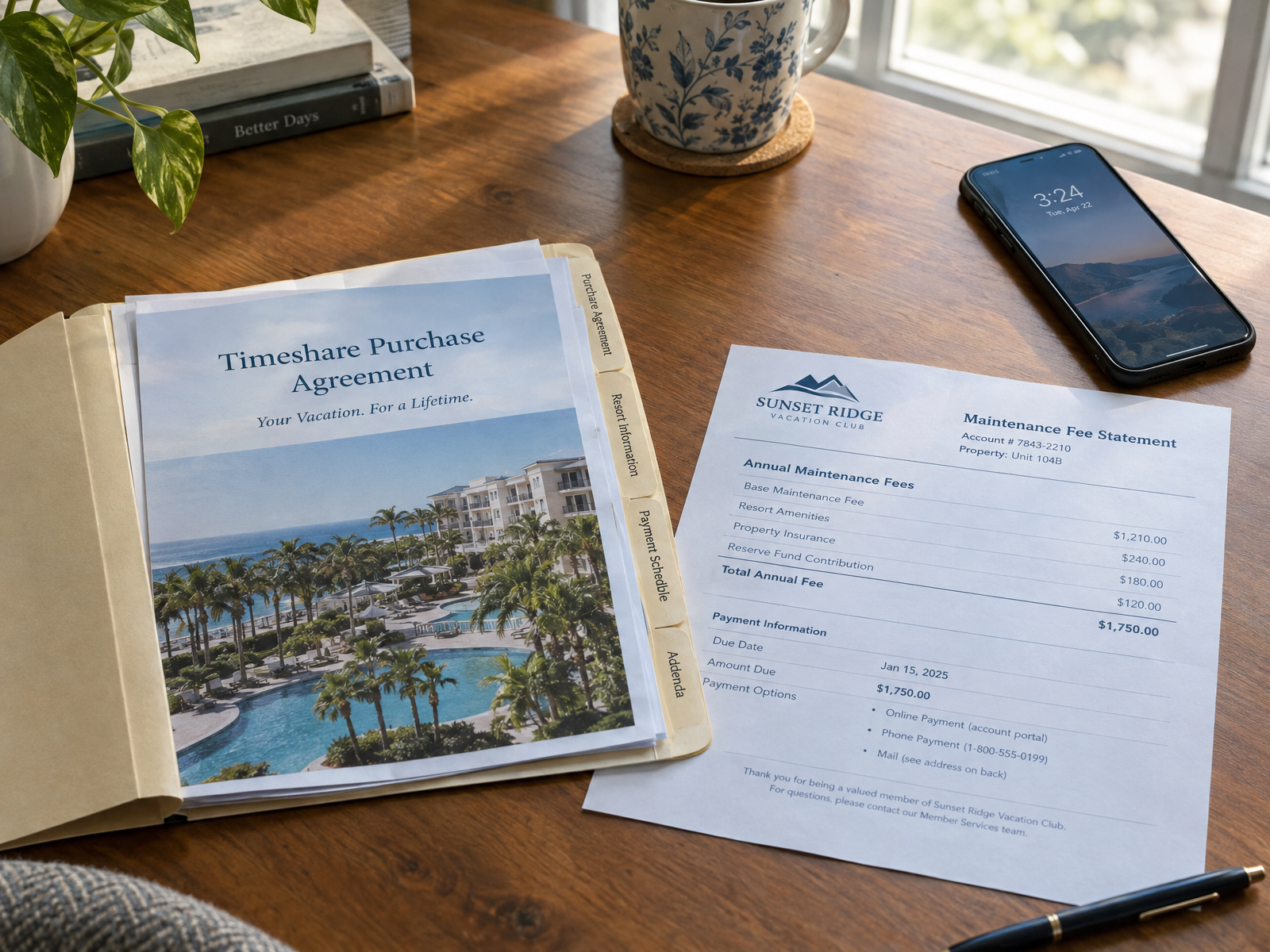
Take the two owner-reported totals: $2,010.53 ($480 plus $1,530.53) and $2,850 ($480 plus $2,370). The American Resort Development Association put the industry average maintenance fee near $1,480 a year in its 2025 figures. At that average, the reported costs equal roughly 1.4 to 1.9 years of fees. That's an illustration, not a quote. Your own fee and your own quote are what matter. But if you're facing years of rising dues, a one-time cost in that range can be cheaper than waiting, as long as the exit actually completes and the account actually closes. Our fee breakdown shows how those years add up.
What to ask for, in writing
- A quote split by payee. Reports describe one fee to Capital and a separate fee to the resort association, so get each figure and who it's payable to. Check the association's payment details yourself, not through a link someone sends you.
- What's being transferred. Ask whether you hold a deeded week or a points membership, and which documents get recorded or closed.
- A written confirmation of closure. You want a letter that says the account is closed, with a zero balance and no further dues.
- Eligibility conditions. Reports mention no mortgage and current fees. Ask whether reservations or unused points affect eligibility, since one owner asked exactly that and I couldn't find an answer.
- Everything before you pay. Don't send money on a phone call.
Compare this with the conditions Diamond publishes for its own program in our Diamond Resorts guide and with Westgate's Legacy Program. Those developers spell out their rules. Capital, as far as I could see, doesn't.
If Capital says no, or you signed recently
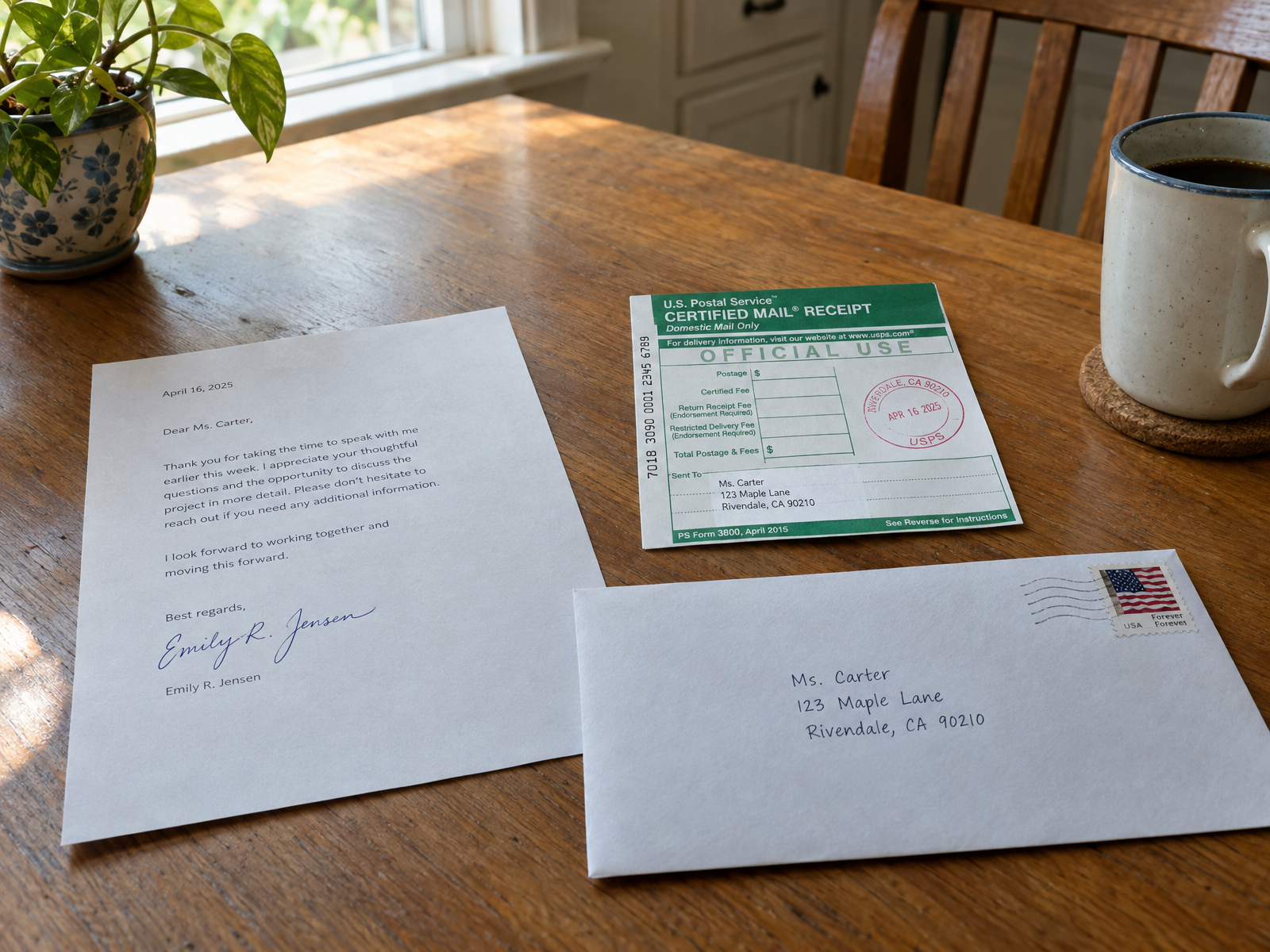
A recent signing is covered by your state's rescission window, and the letter that uses it is in our cancellation letter guide. If the purchase was in South Carolina, that window is five days, covered in our Charleston guide, and the South Carolina Real Estate Commission takes complaints about timeshare sales there. After the window closes, your routes are the developer's program, negotiation, and a structured exit. Here's how that process works. Skipping payments isn't a route, and we explain what it triggers in what happens when you stop paying.
If an outside company offers to "guarantee" a Capital exit for a large upfront fee, treat that as a warning sign. Capital's own materials, as quoted on an owner-advice site, say working with a third party may limit your options. We cover how to vet any company in our first-call questions guide.
Got a Capital quote in hand?
Bring us the letter, the fee breakdown, and your latest maintenance statement. We'll tell you whether the numbers make sense and what else is available.
Call AxeMyTimeshare at (949) 731-6607 or book your free consultation.
Frequently Asked Questions
Can I use this year's points before I relinquish?
I couldn't find a published answer, and owners have asked the same question without a clear reply. Ask Capital in writing before you use or cancel anything, and keep the response.
Who do I pay the second fee to?
Owner reports describe the processing fee going to Capital and the relinquishment fee going to the resort's owners' association. Get an invoice from each and verify the association's contact details independently, because fake payment requests are a common scam in exit situations.
Will Capital pay me for my timeshare?
Nothing in the owner reports suggests so. The program as described is a way to stop future fees, not a buyback, so expect a cost, not a check.