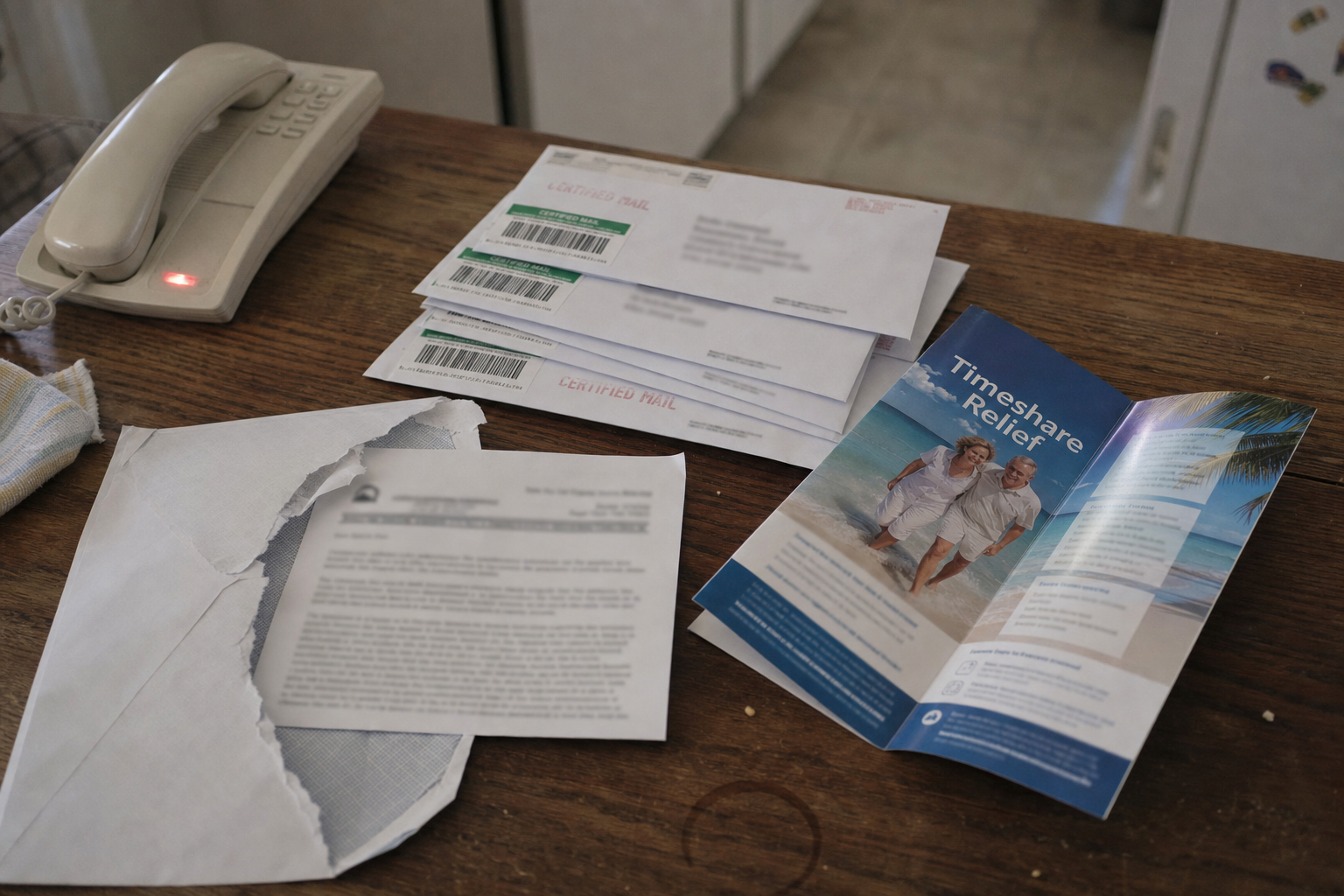
The Economist's Formula That Proves Most Timeshares Are a Bad Investment
The Economist's Formula That Proves Most Timeshares Are a Bad Investment
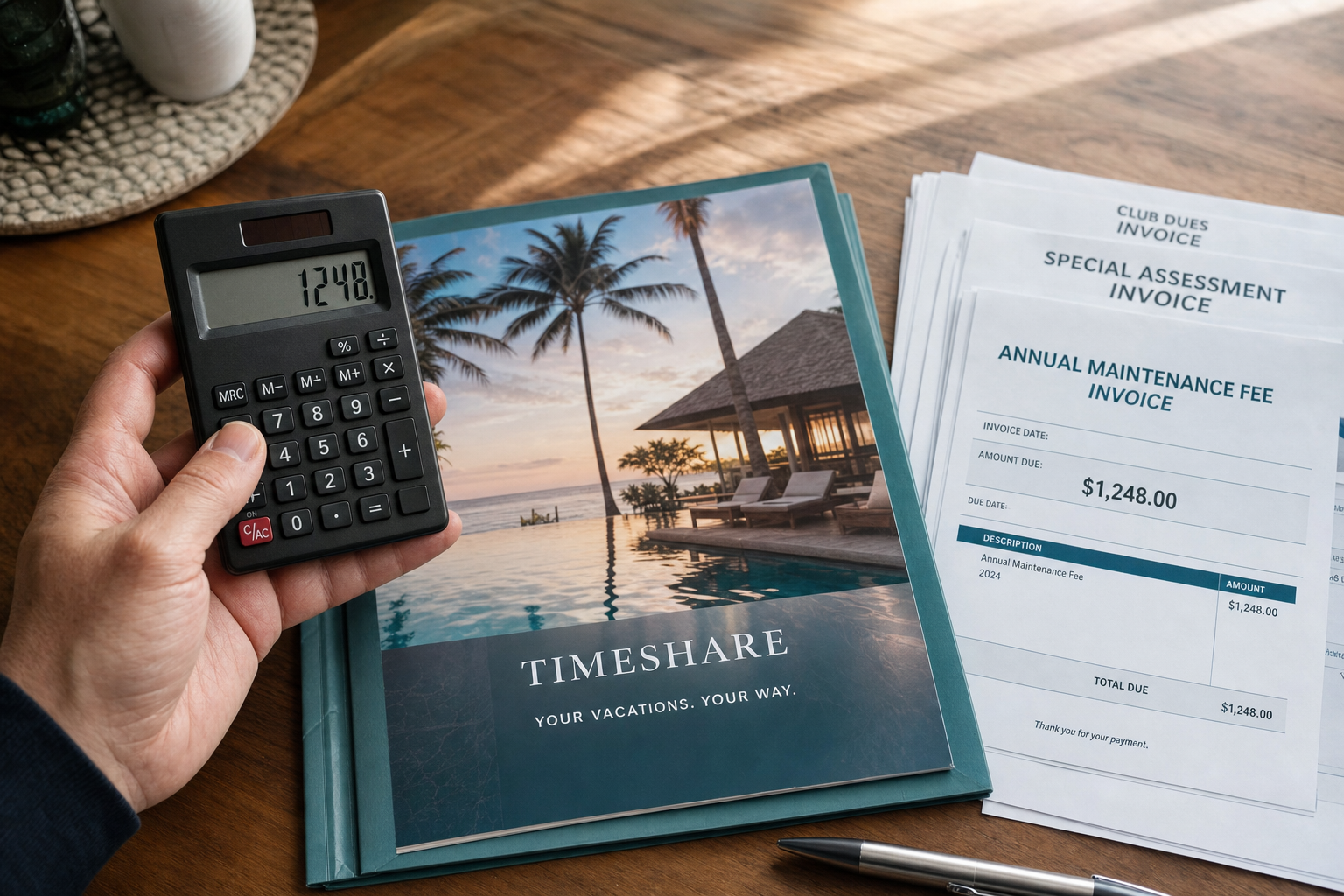
Sales presentations love the word "investment." Economists tend to disagree — and one economist's math, applied to a real timeshare presentation, offers one of the clearest breakdowns available of exactly why the numbers rarely work in the buyer's favor.
Who Is Arnold Kling, and Why Does His Analysis Carry Weight?
Arnold Kling is an economist whose career included roles at the Federal Reserve Board and Freddie Mac — institutions built around rigorously modeling housing and asset value. When Kling and his wife Jackie sat through a timeshare sales presentation at Spinnaker Resorts on Hilton Head Island, South Carolina, he didn't evaluate it the way most attendees do. He ran the numbers.
What Is the Profitability Formula Kling Applied?
Kling's framework is simple enough to apply to any timeshare pitch: Profitability = Rental rate + Appreciation rate − Interest cost. It's the same basic logic used to evaluate whether owning a property beats renting one — if the combined value of what you'd earn or save through ownership doesn't exceed the cost of financing it, renting is the better deal. Timeshares, Kling found, fail this test more dramatically than most people realize.
How Did the Real Numbers Break Down?
The Spinnaker presentation opened with an advertised rental-equivalent rate of 10% — a figure clearly designed to sound like a strong return. But once Kling factored in the actual maintenance fees, membership dues, publication subscriptions, and processing fees layered onto the base cost, the effective rate dropped to just 3.4%. After accounting for realistic appreciation assumptions and financing costs, his final calculation showed the timeshare would cost roughly 4.5% more annually than simply renting a comparable unit each year. In other words: the "investment" framing didn't just underperform — it was a net financial loss compared to the alternative of not buying at all.
Why Do Timeshare Pitches Obscure This Math?
The gap between the advertised 10% and the real 3.4% didn't come from one dramatic hidden fee — it came from the accumulation of several smaller costs that rarely appear in the headline pitch: annual maintenance fees that increase over time, membership dues, subscription costs, and processing charges. Each one sounds minor in isolation. Added together, they quietly erase most of the advertised value. This is a documented pattern across the industry, not unique to one resort — the same layered-fee structure shows up in presentations from Marriott Vacation Club, Wyndham Destinations, Hilton Grand Vacations, and Diamond Resorts, which is why running your own version of Kling's math — before signing anything — matters regardless of which developer is pitching you.
What Does Consumer Advocacy Say About This Same Pattern?
Kling's economic critique lines up with what consumer advocates in the timeshare space have separately observed. Industry-wide, the structural reality is that resorts and sales teams are typically the primary financial beneficiaries of a timeshare sale, not the buyer — which is exactly why independent, buyer-side analysis (rather than the resort's own presented numbers) is essential before signing anything.
How Can You Run This Math Yourself Before a Presentation?
You don't need an economics background to apply Kling's logic. Before any presentation, ask for three numbers in writing: the total annual cost (purchase financing plus maintenance fees plus dues), the realistic resale or appreciation value (not the sales rep's projection), and the cost of renting an equivalent unit for the same week each year. If the annual cost exceeds what renting would cost, the "investment" framing doesn't hold up — regardless of how the presentation frames it.
What If You Already Signed Before Running These Numbers?
Most timeshare owners never see Kling's kind of breakdown until well after signing — which is exactly how these contracts get sold. If you're now facing a Wyndham timeshare exit, working through how to cancel a Marriott timeshare, or trying to get out of a Hilton Grand Vacations or Diamond Resorts contract that never delivered the value promised, the starting point is understanding exactly what you own — deeded week versus points-based contract — since that determines which legitimate exit paths are actually available to you.
Frequently Asked Questions
What is Arnold Kling's profitability formula for timeshares?
Profitability equals the rental rate plus the appreciation rate, minus the interest cost. If the total falls below the cost of simply renting a comparable unit, the timeshare underperforms renting financially.
Why did the advertised 10% rental rate drop to 3.4% in Kling's analysis?
Once annual maintenance fees, membership dues, publication subscriptions, and processing fees were factored in, the effective return dropped significantly — a pattern common across the industry, not unique to one resort.
Do timeshares ever make financial sense as an investment?
Rarely, according to economic analysis like Kling's. The layered fee structure and weak resale market typically make timeshares cost more than renting equivalent accommodations, even before accounting for financing costs.
Is this kind of fee structure specific to one resort or resort brand?
No. Escalating maintenance fees, membership dues, and processing charges are standard structural features across most major timeshare developers, not isolated to any single resort.
Already Realized the Math Doesn't Work in Your Favor?
If you're facing a Wyndham timeshare exit, a Marriott timeshare exit, or trying to cancel a Diamond Resorts or Hilton Grand Vacations contract after running numbers like Kling's, you don't have to navigate it alone. Call AxeMyTimeshare at (949) 731-6607 for a free consultation, or visit axemytimeshare.com to see what a structured exit could look like for you.







FBI Warns: Cartel-Linked Timeshare Exit Scams Have Stolen Nearly $300 Million From Owners Since 2019