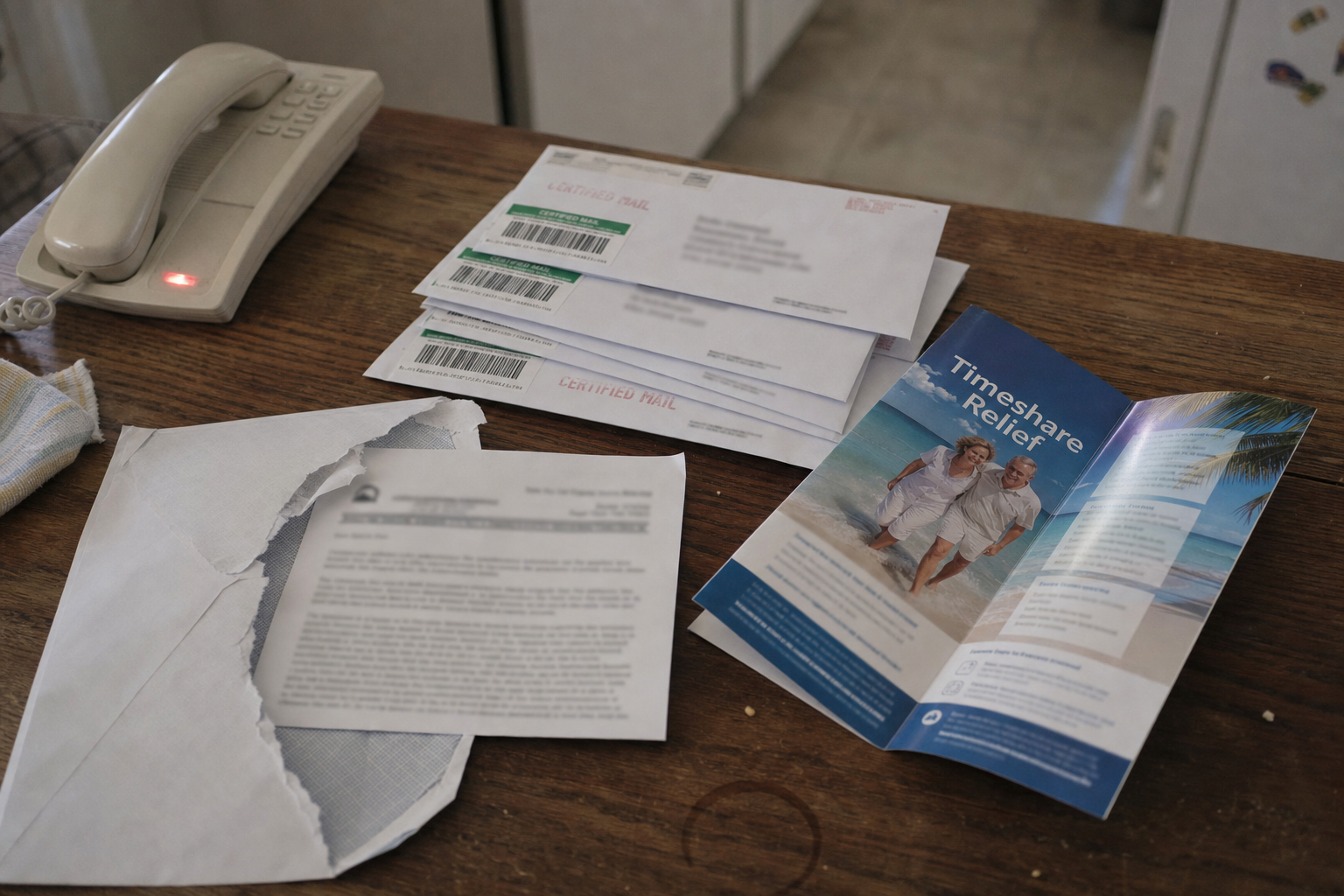
What to Expect at a Timeshare Presentation: An Insider's Guide to the Pitch (and How to Protect Yourself)
What to Expect at a Timeshare Presentation: An Insider's Guide to the Pitch (and How to Protect Yourself)

Timeshare presentations are famous for one thing: the free stuff. Discounted hotel stays, show tickets, gift cards — all in exchange for 90 minutes of your time. What actually happens during those 90 minutes (which routinely stretch far longer) is worth understanding before you ever sit down at the table, especially as the industry behind these presentations keeps growing.
How Big Is the Timeshare Industry, and Why Does That Matter?
This isn't a small, niche market. According to the American Resort Development Association's 2025 State of the Vacation Timeshare Industry report, the U.S. timeshare industry generates roughly $10.7 billion in sales annually, with nearly 10 million U.S. households owning at least one timeshare product across approximately 1,434 resorts and 188,700 units nationwide. That scale matters for one simple reason: presentations aren't a handful of independent operators improvising a pitch. They're a highly refined, professionally optimized sales process, run by an industry that has spent decades studying exactly what gets people to sign.
Why Have Timeshare Presentations Gotten More Sophisticated?
The industry has also consolidated sharply in recent years, which has concentrated sales expertise into fewer, larger, better-funded operators. Hilton Grand Vacations acquired both Bluegreen Vacations in January 2024 and Diamond Resorts in August 2021; Marriott Vacations Worldwide acquired Welk Resorts in January 2021; and Travel + Leisure Co. (formerly Wyndham Destinations) acquired Accor Vacation Club in March 2024. Holiday Inn Club Vacations similarly acquired Royal Resorts in May 2023. Industry reporting also notes that operators are now layering AI-enhanced virtual presentations and 3D tools into the sales process specifically to adapt more intelligently to buyer hesitation in real time. In short: presentation techniques you're walking into today are more data-driven and more refined than they were even five years ago, which makes going in prepared more important, not less.
What Does a Typical Timeshare Presentation Look Like?
Most presentations still follow a predictable arc regardless of the resort brand. It opens warmly — refreshments, friendly small talk, a salesperson working to build rapport before the pitch even starts. Then comes the overview: an enthusiastic walkthrough of the ownership concept, framed around access to a rotating portfolio of resort properties, potential savings on future vacations, and flexible scheduling. Visual aids showcase glossy photos of luxury units designed to make the lifestyle feel tangible and close.
This structure holds true across nearly every major developer — Marriott Vacation Club, Hilton Grand Vacations, Wyndham Destinations, Diamond Resorts, and Westgate Resorts all run some version of the same welcome-then-pitch format, whether it's a Hawaii resort presentation or a convention-center setup on the mainland.
Why Isn't a Timeshare Really "Real Estate"?
This is the single most important distinction a presentation tends to blur. Traditional real estate typically appreciates over time, and ownership carries a resale market with real, verifiable value. A timeshare unit is structurally different: it's a right to use a property for a set period (often one week per year), the associated costs function much more like prepaid rent than an appreciating asset, and — as we've covered in our look at the sunk cost fallacy in timeshare ownership — the resale value of most timeshares depreciates sharply and rarely returns anywhere close to the purchase price. Many contracts are also structured "in perpetuity," meaning the obligation can pass to heirs unless it's exited beforehand — a detail worth confirming in writing, since it's not always volunteered during the pitch.
What Happens If You Say No?
This is where presentations reveal the most about the underlying sales system. As long as a prospective buyer seems open to purchasing, the tone tends to stay warm and accommodating — salespeople patiently address objections, walk through upfront costs, and reframe savings arguments. But once it becomes clear a sale isn't happening, that demeanor frequently shifts, sometimes abruptly, toward curtness or visible impatience. It's a useful signal in itself: professional, client-first sales relationships don't hinge on whether you buy. If the tone in the room changes the moment you decline, that's information about the underlying incentive structure, not a reflection of anything you did wrong.
Red Flags to Watch for During Any Timeshare Presentation
A few specific patterns are worth treating as hard stop signals, not just mild discomfort:
- "This price is only available today." Manufactured urgency is a scripted tactic, not a real market constraint.
- Vague or shifting numbers on maintenance fees. If the fee figure changes between the start and end of the pitch, or isn't provided in writing early, that's a serious red flag.
- Rental income promises without documentation. Claims that the unit will "pay for itself" through rental income are rarely backed by real, verifiable numbers.
- Being separated from your spouse or partner. Splitting couples to apply individual pressure is a documented tactic used to target whichever partner seems more persuadable.
- A presentation that won't end at the agreed time. If the stated 90-minute session is approaching three or four hours, that's not a coincidence — it's a fatigue strategy.
- Discouragement from independent appraisal or outside advice. Any pushback against "let me think about it" or "let me check this with someone" is worth treating as a signal, not an inconvenience.
What Should You Actually Do Before and During a Presentation?
A few practical habits make a real difference in how much control you retain:
- Know your walk-away time before you sit down. Decide in advance how long you're willing to stay, and hold that line regardless of pressure to continue "just a few more minutes."
- Separate the free incentive from the purchase decision. Accepting a discounted stay or gift creates no purchase obligation — reciprocity pressure is a documented sales tactic, not a real debt.
- Bring a second person if possible. Presentations are often more effective on individuals; having a second person in the room makes high-pressure tactics measurably harder to execute.
- Ask for everything in writing. Any claim about buyback programs, rental income potential, or resale value should be requested in writing before it factors into your decision at all — verbal promises aren't enforceable.
- Know your rescission rights going in. If you do sign, the FTC's Cooling-Off Rule gives you a short window — typically three business days at minimum — to cancel in writing for a full refund, though many states extend this further specifically for timeshare purchases.
Ready to Cancel or Exit Your Timeshare After a Presentation Like This?
Whichever brand you signed with, the exit process differs slightly by developer — but the pressure that got you there usually looks the same. Owners come to us asking how to cancel a Wyndham timeshare, pursue a Marriott timeshare exit, get out of a Hilton Grand Vacations contract, or cancel a Diamond Resorts timeshare after realizing the numbers never worked the way the presentation promised. The first step toward any of these is understanding exactly what you own — a deeded week versus a points-based contract — since that distinction shapes which legitimate exit path actually applies to your specific developer and contract terms.
Frequently Asked Questions
How long do timeshare presentations usually last?
They're typically advertised as 90 to 120 minutes but frequently run longer, a pattern some former industry insiders have described as a deliberate tactic to wear down resistance through fatigue.
Am I obligated to buy if I accept a free gift or discounted stay?
No. Accepting an incentive to attend a presentation creates no legal or contractual obligation to purchase anything.
Do timeshares appreciate in value like traditional real estate?
No. Timeshares typically depreciate significantly after purchase, and the resale market for most units is weak, unlike traditional real estate, which is generally expected to appreciate over time.
Is it normal for a salesperson's attitude to change if I decline to buy?
It happens often enough to be a recognized pattern, though it's not universal or professional. A sudden shift in tone after declining is worth noting as a signal about the sales environment, not something to feel responsible for.
Why do so many timeshare brands feel similar now?
Industry consolidation has concentrated many well-known brands under a small number of parent companies — Hilton Grand Vacations, for example, now owns both Diamond Resorts and Bluegreen Vacations — which has made presentation techniques more standardized across brands that used to feel distinct.
How large is the timeshare industry today?
According to ARDA's 2025 industry report, the U.S. timeshare sector generates approximately $10.7 billion in annual sales and includes nearly 10 million owner households across roughly 1,434 resorts.
Already Signed a Contract You Regret?
Whether it happened in Hawaii, Las Vegas, Orlando, or anywhere in between, a pressured decision doesn't have to be a permanent one. Call AxeMyTimeshare at (949) 731-6607 for a free consultation, or visit axemytimeshare.com to find out what a structured exit could look like for you.





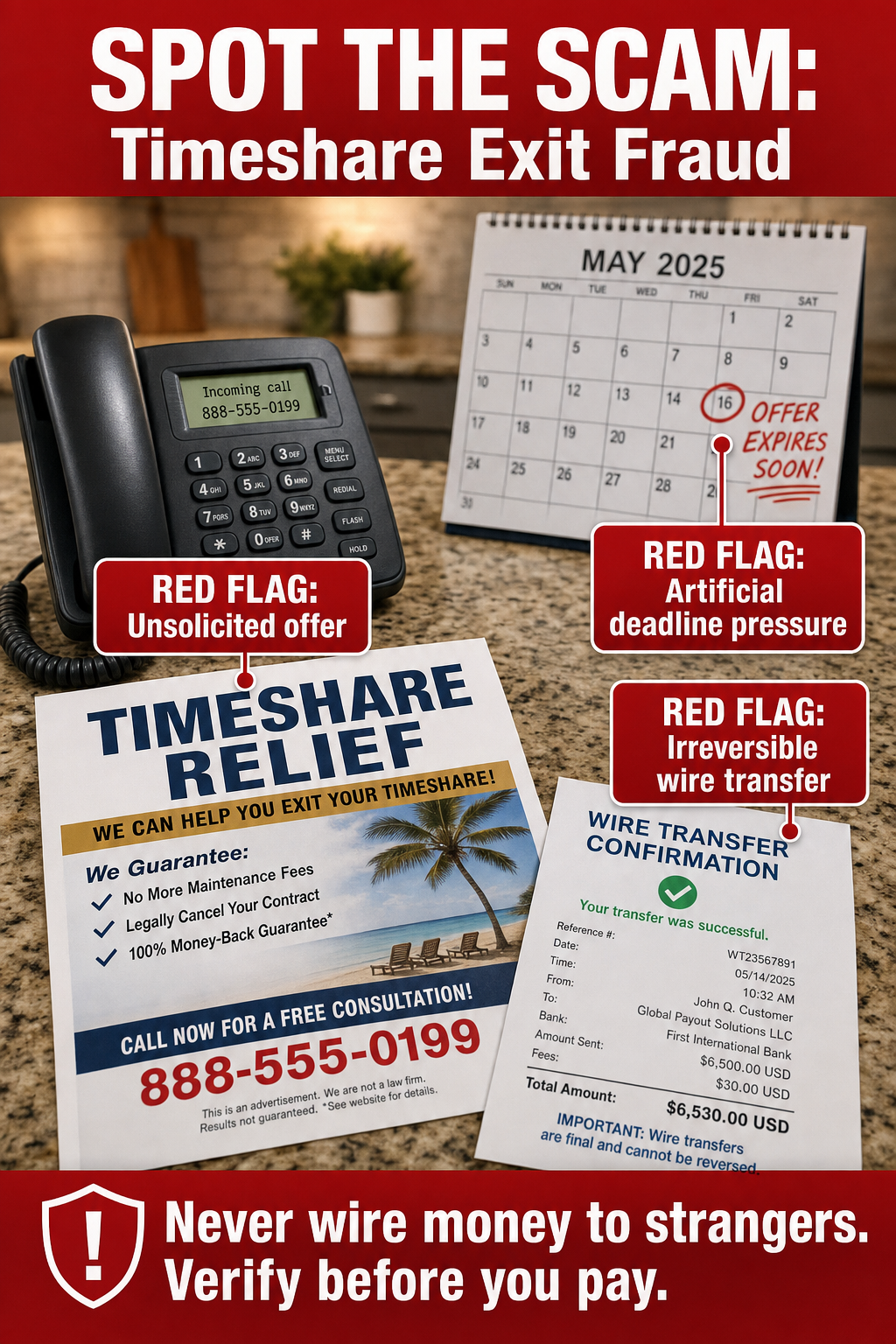
FBI Warns: Cartel-Linked Timeshare Exit Scams Have Stolen Nearly $300 Million From Owners Since 2019