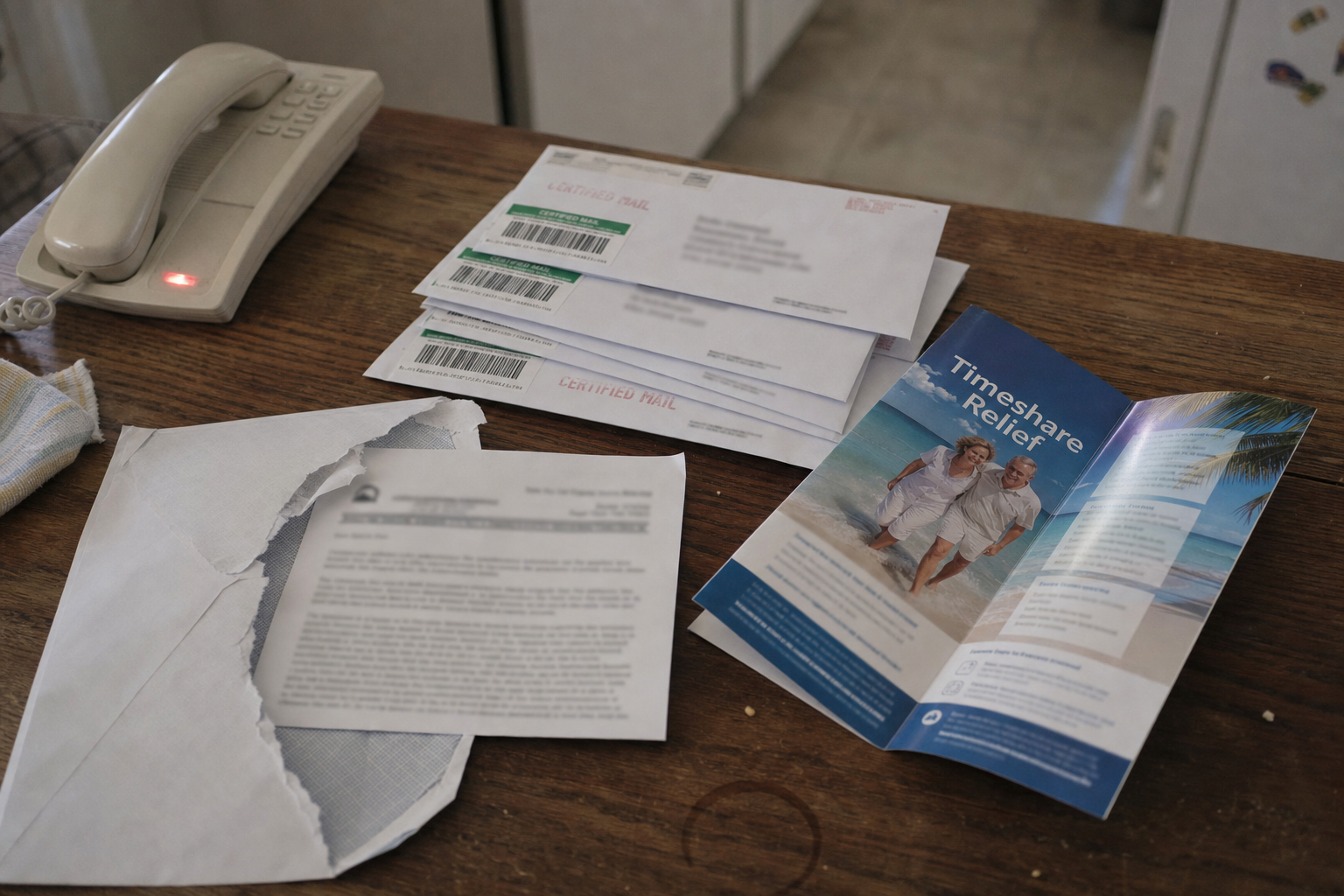
Why Hawaii Timeshares Are Nearly Impossible to Resell — And What It Means If You Own One
Why Hawaii Timeshares Are Nearly Impossible to Resell — And What It Means If You Own One
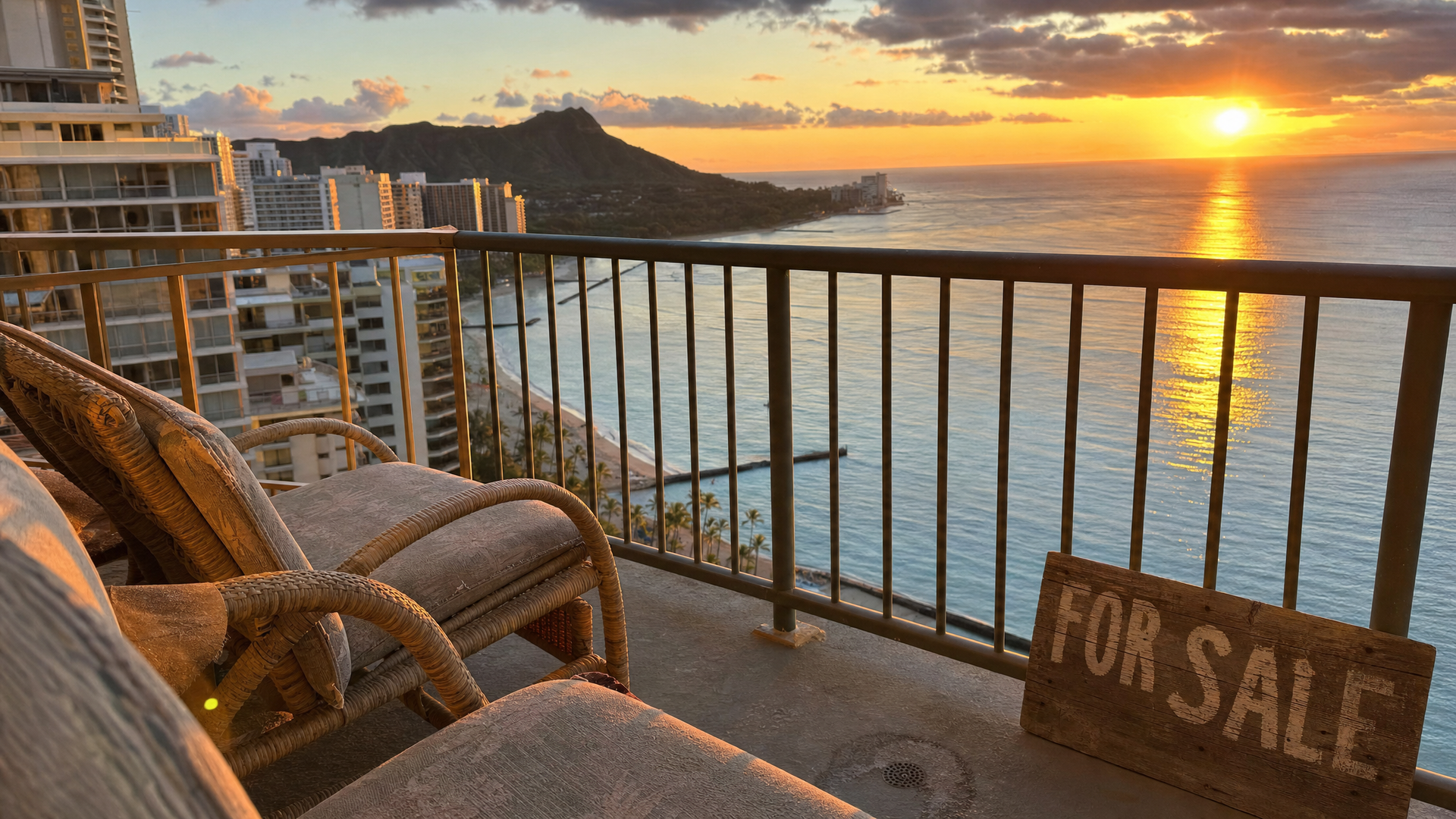
If you've tried to sell a Hawaii timeshare and found yourself stuck with zero interested buyers, even at a fraction of your purchase price, you're not alone — and you're seeing a market failure playing out on a massive scale.
What's Actually Happening in the Hawaii Timeshare Resale Market?
Nowhere is this more visible than among Japanese-owned timeshares in Honolulu's Waikiki district, which accounts for the large majority of Japanese-held timeshare properties in Hawaii. Roughly 100,000 Japanese buyers currently hold timeshare interests in Hawaii, purchased over decades when a strong yen made a $60,000-equivalent purchase feel like a smart, affordable way to guarantee an annual vacation. Today, many of those same owners are trying to sell for as little as $100 and still can't find a buyer.
One Hawaii timeshare resale brokerage reported receiving around 100 sales requests a month once the yen began weakening — far more than the market could absorb, with only a small fraction of listed properties actually selling each month.
Why Did This Market Collapse So Completely?
Three forces converged at once, and together they explain why resale values fell off a cliff rather than gradually declining:
- Currency devaluation. A weaker yen made the same annual maintenance fees dramatically more expensive in local currency terms, even though the dollar-denominated fee didn't change.
- Travel disruption. Extended travel restrictions during the COVID-19 pandemic meant years of paying full maintenance fees on properties owners couldn't use at all.
- Oversupply with almost no demand. With thousands of owners trying to exit simultaneously, and non-Japanese buyers generally less drawn to the specific Waikiki-heavy inventory, the market flooded with sellers and virtually no corresponding buyer pool.
As one resale firm's president put it, describing the trend bluntly: prospects remain uncertain "amid this protracted trend of the weak yen."
Is This Just a Japanese-Buyer Problem, or a Broader Warning?
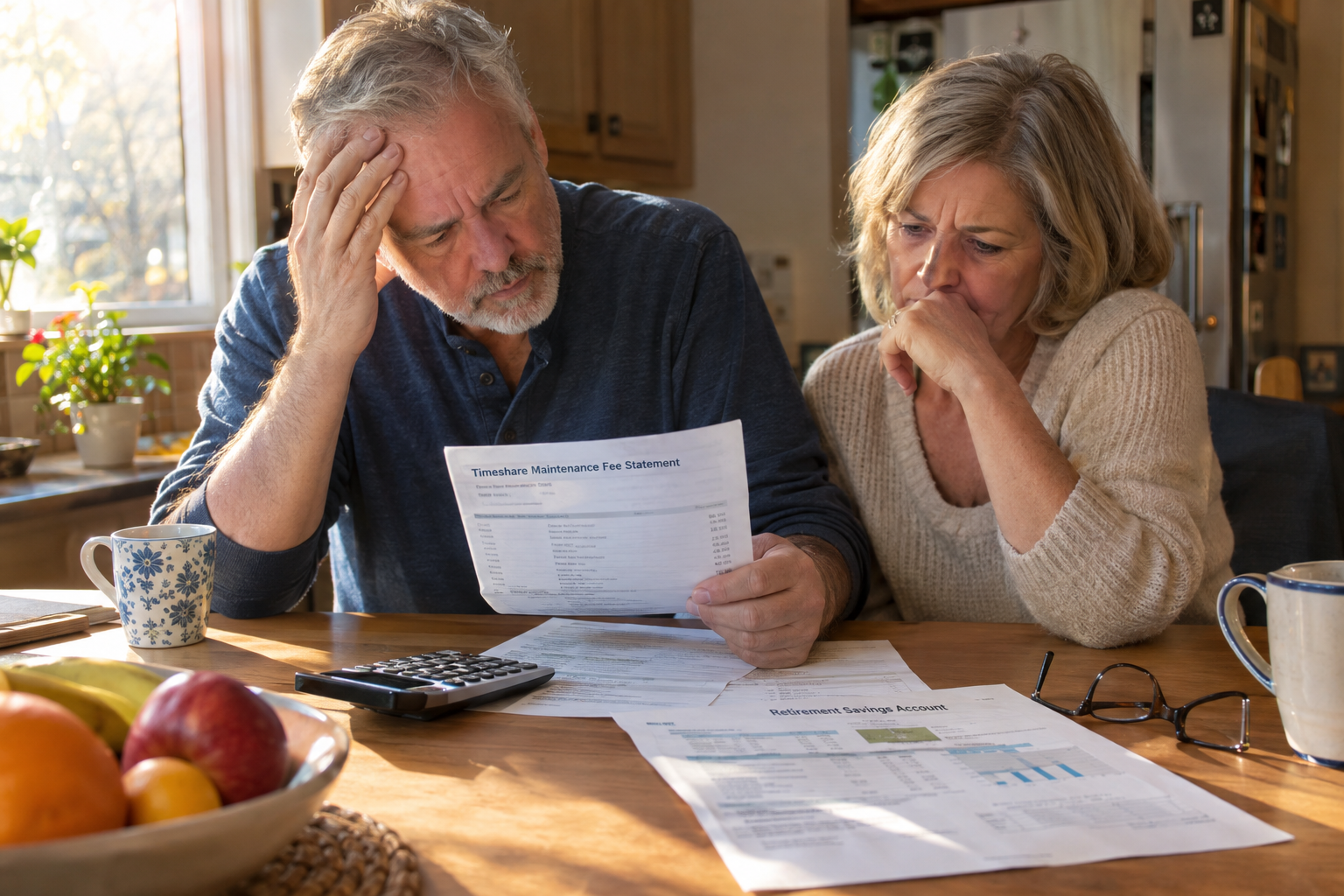
It's a broader warning. The same structural risk exists for any timeshare owner, regardless of nationality or resort brand: resale value depends entirely on there being a buyer willing to take on the ongoing maintenance fee obligation, and that demand can evaporate quickly when currency shifts, travel patterns change, or a specific market becomes oversaturated. Major developers — Hilton Grand Vacations, Marriott Vacation Club, and others with large Hawaii and international footprints — have seen maintenance fees climb 15% or more in Hawaii in recent years due to local inflation, compounding the exit difficulty for owners already struggling to sell. The lesson isn't specific to Hawaii or to Japanese ownership; it's a structural feature of the entire resale market that every timeshare owner should understand before assuming they can sell if circumstances change.
What Are Your Options If You Can't Sell Your Timeshare?
If the resale market for your property has effectively disappeared, a few paths are worth understanding:
- Resale listing rarely works once a market has collapsed like this. Continuing to list at a lower price often just extends the timeline without producing a buyer.
- Renting out your week, if your contract permits it, can offset some maintenance fee cost even while you look for a longer-term solution.
- A structured exit — distinct from a resale attempt — addresses the contract itself rather than waiting for a buyer who may never materialize.
What If You're Stuck With an Unsellable Timeshare Right Now?
If you've discovered that your timeshare simply has no resale market — whether it's in Hawaii, tied to a Marriott timeshare exit, or a Hilton Grand Vacations property with fees you can no longer justify — the path forward isn't waiting for a buyer who isn't coming. It starts with understanding exactly what you own, since that determines which legitimate exit strategy actually applies to your contract.
Frequently Asked Questions
Why can't Hawaii timeshare owners find buyers even at steep discounts?
A combination of currency devaluation, pandemic-era travel disruption, and a flood of sellers with very little corresponding buyer demand has created a severe oversupply, particularly among Japanese-owned Waikiki properties.
Does this resale collapse only affect Japanese-owned timeshares?
No. It's a case study in a structural risk that applies to any timeshare resale market — demand can collapse quickly due to currency shifts, oversupply, or changing travel patterns, regardless of the buyer's nationality or the resort brand.
Is renting out a timeshare a good long-term solution if I can't sell it?
It can offset maintenance fees temporarily if your contract allows it, but it doesn't resolve the underlying obligation — a structured exit addresses the contract itself rather than working around it indefinitely.
Are maintenance fees in Hawaii rising faster than other markets?
Recent reporting indicates Hawaii maintenance fees have risen roughly 15% compared to pre-pandemic levels at some major resorts, driven by local inflation — a trend that adds urgency for owners already struggling to sell or use their properties.
Own a Timeshare You Can't Sell and Can't Use?
If your property has no realistic resale market and the maintenance fees keep climbing, waiting isn't a strategy. Call AxeMyTimeshare at (949) 731-6607 for a free consultation, or visit axemytimeshare.com to see what a structured exit could look like for you.




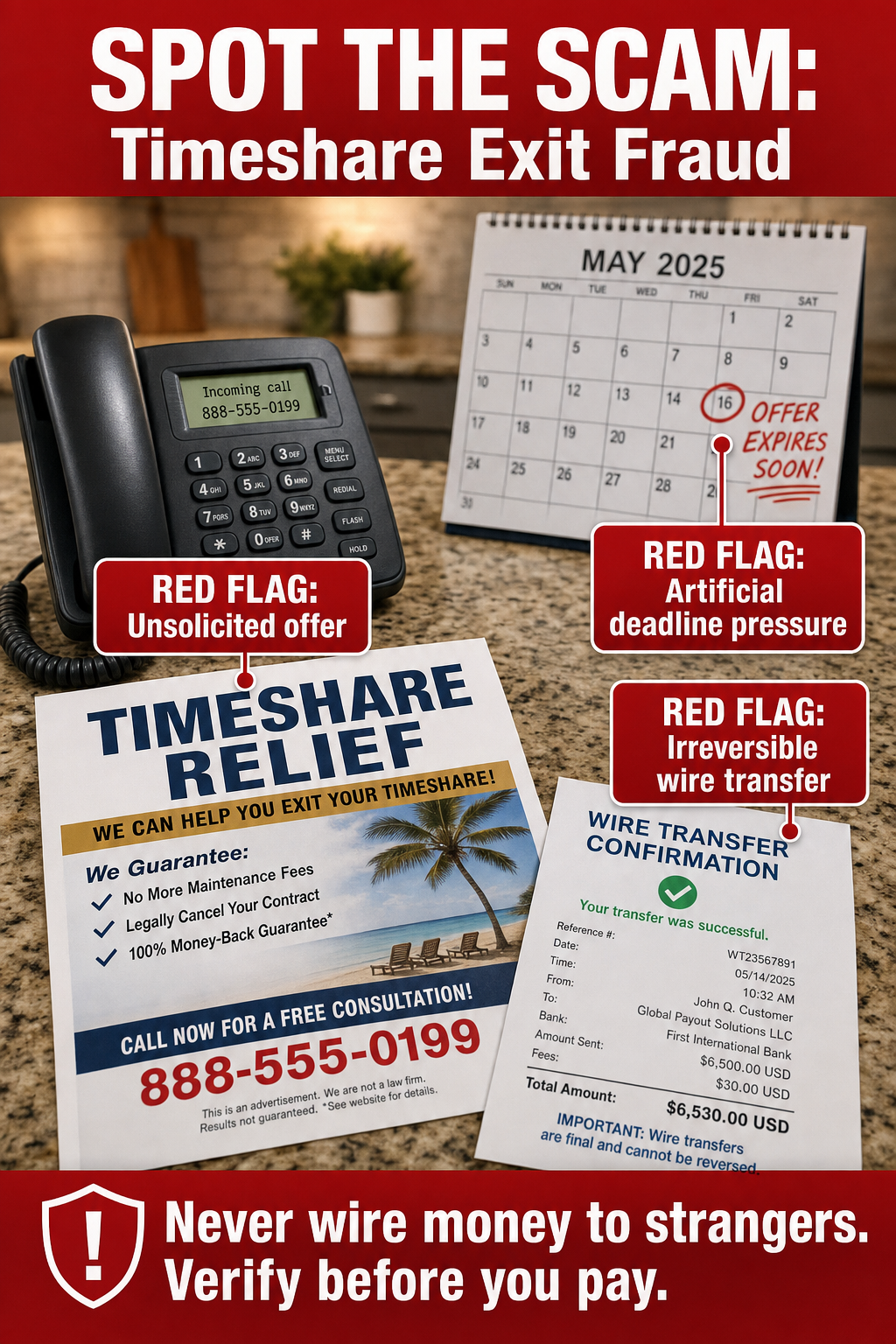
FBI Warns: Cartel-Linked Timeshare Exit Scams Have Stolen Nearly $300 Million From Owners Since 2019