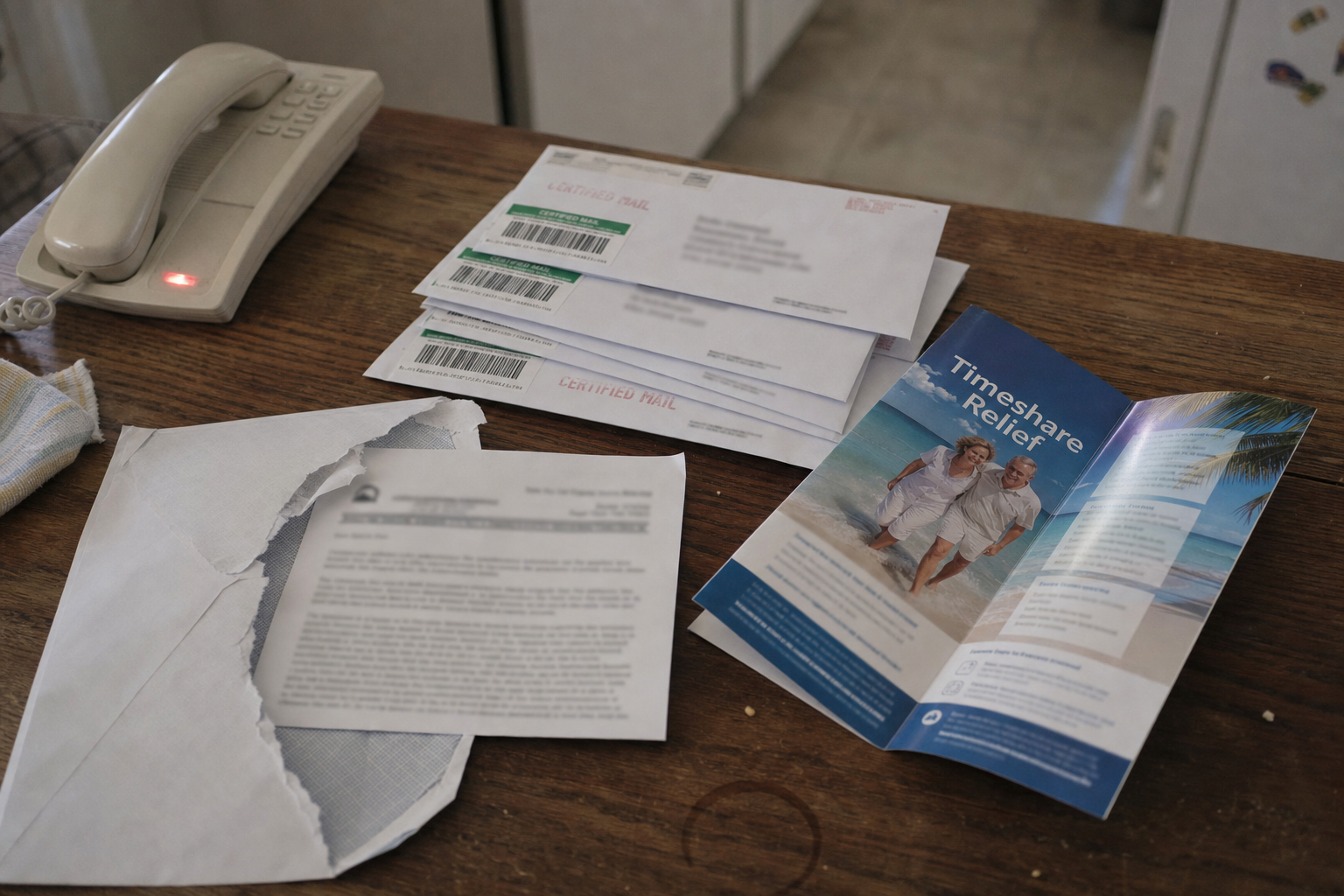
The Sunk Cost Fallacy Is Why You're Still Paying for a Timeshare You Don't Use
The Sunk Cost Fallacy Is Why You're Still Paying for a Timeshare You Don't Use

If you've ever told yourself "I've already put too much into this to walk away now," you've experienced the sunk cost fallacy — a well-documented cognitive bias that keeps otherwise rational people locked into bad decisions. Nowhere does this bias do more financial damage than in timeshare ownership, where owners keep paying for contracts that no longer serve them simply because they've already paid so much.
At AxeMyTimeshare, we talk to owners every week who know their contract isn't working for them anymore — but can't bring themselves to act because of what they've already spent. Understanding the psychology behind that hesitation is the first step to overcoming it.
What Is the Sunk Cost Fallacy?
The sunk cost fallacy is the tendency to keep investing time, money, or effort into something because of resources already spent, rather than evaluating the decision based on future costs and benefits alone. Rational decision-making should focus only on future costs and benefits, not on what has already been lost — but emotionally, that's much easier said than done. The concept comes out of behavioral economics, the field that studies why people routinely deviate from purely rational financial choices, often tracing back to loss aversion, our tendency to feel losses more sharply than equivalent gains.
Why Do Timeshare Owners Hold On to Bad Contracts?
Timeshare owners hold on because letting go feels like admitting a mistake. The fear of losing their initial investment can lead to years of additional payments even after they've stopped using or enjoying the property. Add in social pressure — friends, family, or the original sales rep who insisted it was "a great investment" — and walking away starts to feel impossible, even when the math clearly says otherwise.
What Does the Sunk Cost Fallacy Actually Cost Timeshare Owners?
It costs owners real money, year after year, in fees tied to an asset they can't easily offload. Many timeshare contracts carry escalating maintenance fees and special assessments — unplanned charges resorts pass on to owners for major repairs or shortfalls — that increase the burden over time, and exiting these agreements can be difficult because resale markets for timeshares are often weak or nonexistent. Major resort brands — Marriott Vacation Club, Hilton Grand Vacations, and Wyndham Destinations among them — also build in right of first refusal clauses that make private resale even harder, which is exactly why a structured legal exit matters more than trying to sell on the open market.
How Do You Break Free From the Sunk Cost Fallacy?
You break free by shifting the question from "what have I already spent" to "what will this cost me going forward." A useful exercise: ignore every dollar already paid and ask only whether you'd sign this same contract today, knowing what you know now. If the answer is no, the fallacy is the only thing keeping you in it. From there, owners typically have a few real paths forward — starting with understanding what you actually own (a deeded week versus a points-based contract, since that determines which exit paths even apply to you), a verified deed-back program if the resort offers one, or a structured legal exit handled by professionals who know the resort's process.
Frequently Asked Questions
Is the sunk cost fallacy a recognized concept in behavioral economics?
Yes. The sunk cost fallacy is a well-established concept in behavioral economics, describing the irrational tendency to continue a behavior based on past investment rather than future value.
Can I get out of a timeshare even after paying it off?
Yes — owning a timeshare outright doesn't mean you're stuck with the maintenance fees and obligations. Exit options exist regardless of loan status, though the right path depends on your specific contract and resort.
Do resale markets ever recover the original purchase price?
Almost never. Timeshare resale markets are notoriously weak, with many units listed for $1 and still struggling to sell, which is why resale shouldn't be the default exit plan.






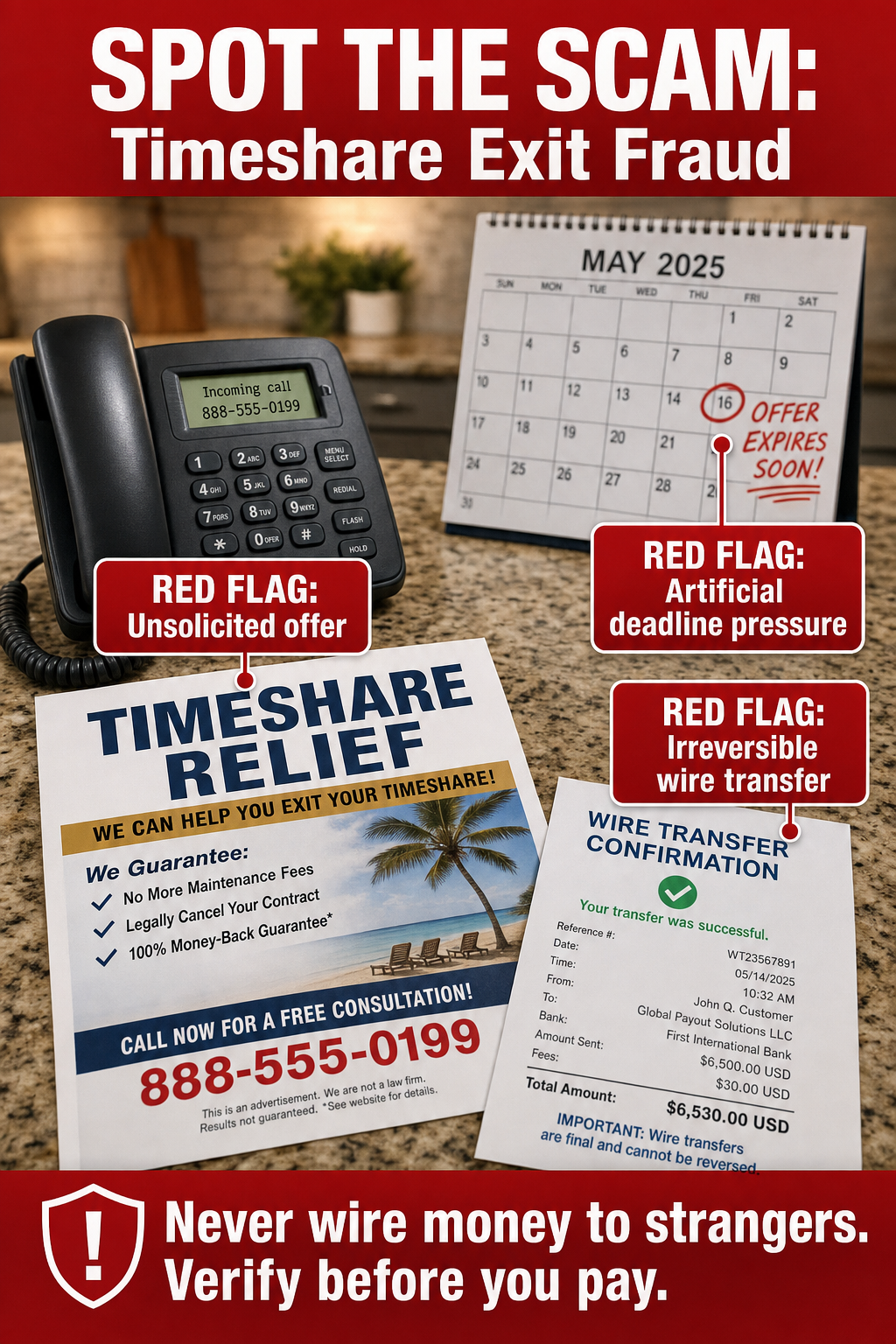
FBI Warns: Cartel-Linked Timeshare Exit Scams Have Stolen Nearly $300 Million From Owners Since 2019